A harbour near the end
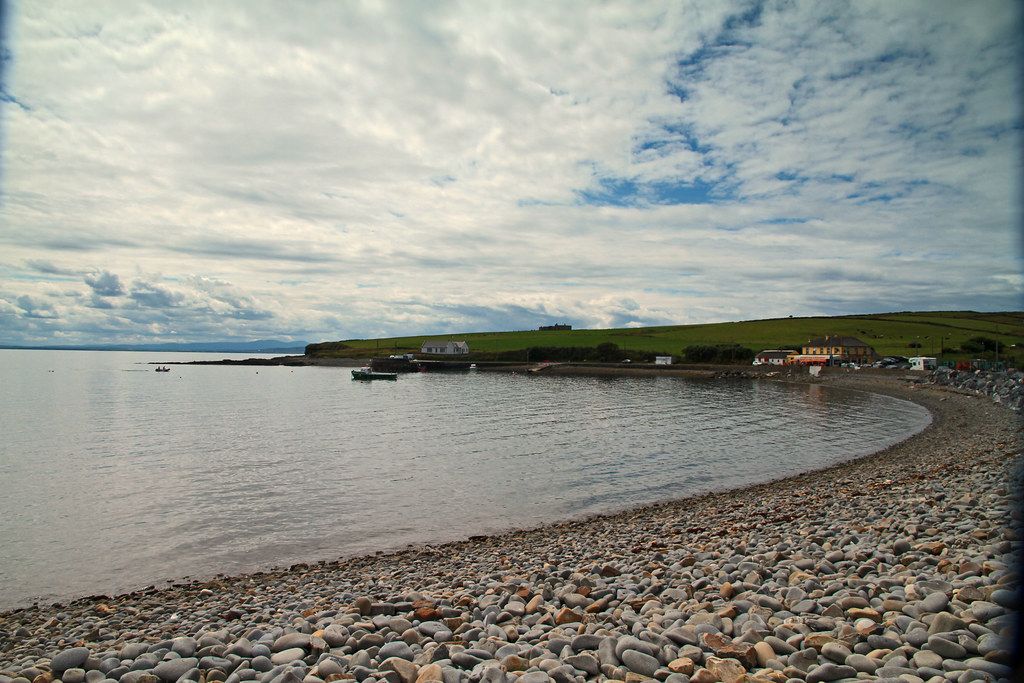
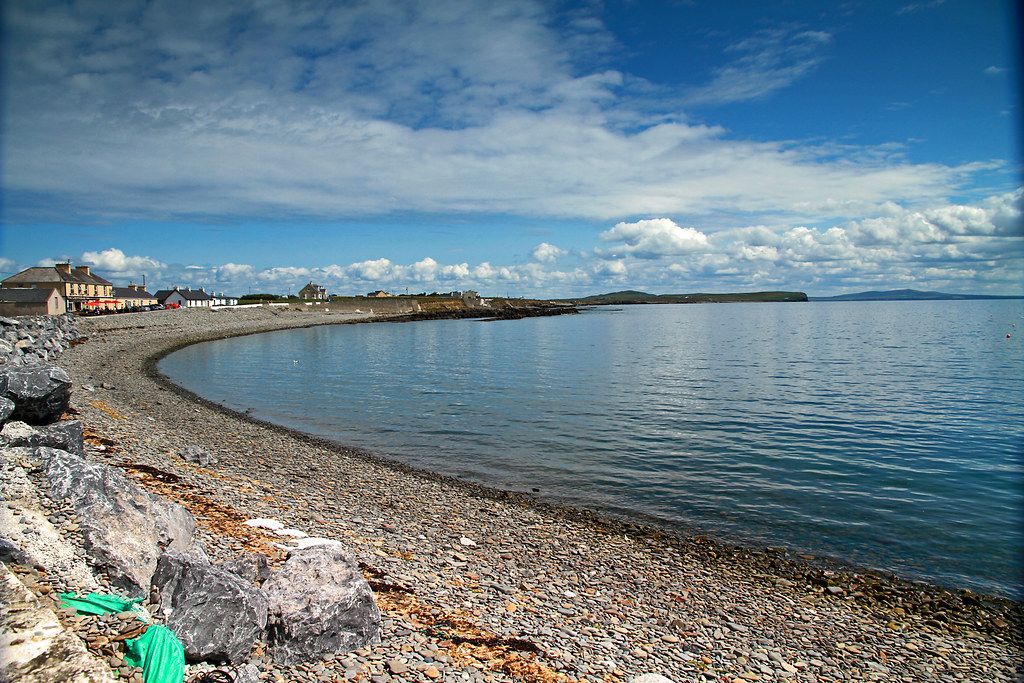
Kilbaha is the last village on the Loop Head Peninsula, a small cluster of houses around a harbour on the estuary side, about 5 km before the lighthouse. Kilbaha Bay faces south across the mouth of the Shannon towards Kerry, and the land rises behind it to break the worst of the westerly wind. After the open road from Cross, it is a sheltered place to stop.
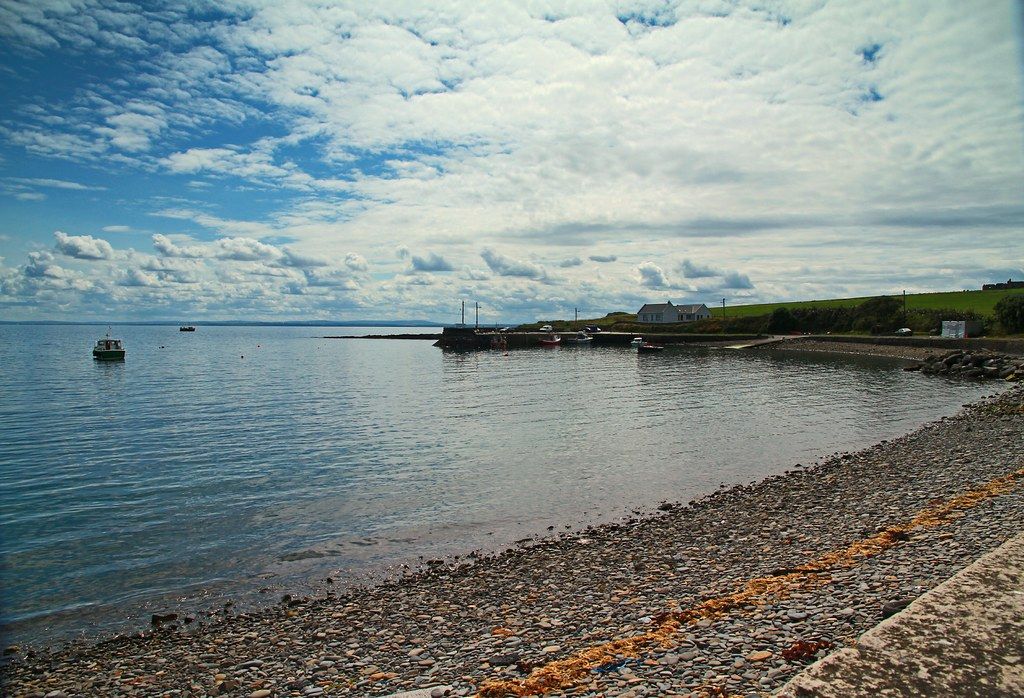
The harbour has long been home to small fishing boats working the estuary and the open sea beyond the point. The pier, the slipway and the stone walls along the shore are the heart of the place, and on a calm day the water inside the bay is clear enough to see the weed swaying on the bottom.
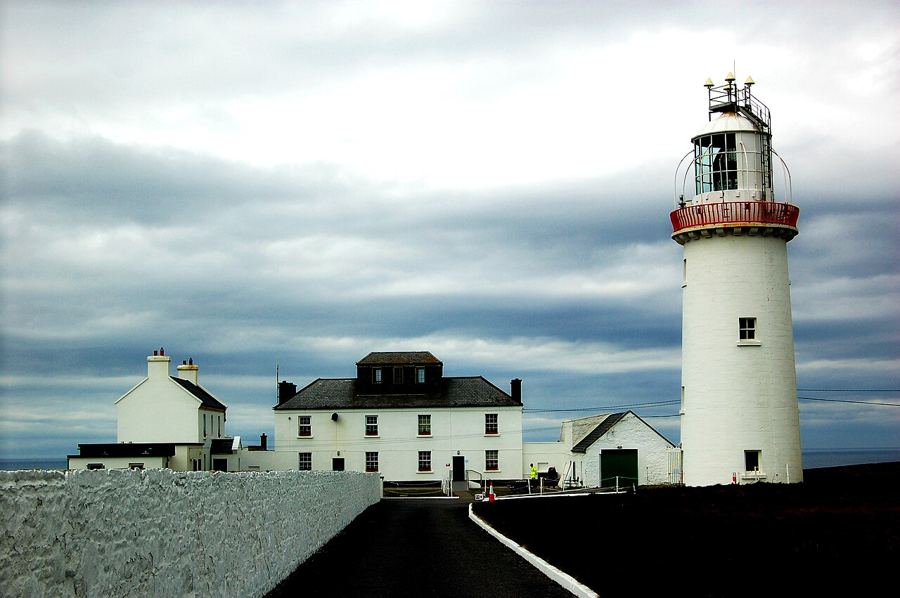
From here the road climbs gently out to the lighthouse at Loop Head, and back east it follows the shore towards Moneen and Carrigaholt.
The story of the Little Ark
In the years after the Famine, the Catholic people of this part of the peninsula had no church. The local landlord would not give or sell ground for one, and Mass was said in the open air, at the side of the road or wherever people could gather, whatever the weather.
The answer was a hut on wheels. In the early 1850s the parish priest had a small wooden box built, large enough for a priest and an altar, and mounted on wheels so that it could be moved. It was drawn down onto the shore at Kilbaha and set on the strip between high and low water, ground that no landlord could claim. There the priest said Mass inside the hut while the people knelt on the beach and the rocks in front of it, in rain and wind as well as sun.
People called it the Little Ark. It was used for several years, through all seasons, and the story of it spread well beyond Clare, until ground was at last obtained and a church could be built.
The church at Moneen
The new church was built at Moneen, a short way east of Kilbaha, and it is known as the Church of the Little Ark. The Ark itself is kept inside, in a side chapel, a plain wooden hut with its wheels, much smaller than you might expect.
 Next stretch of coastCross, Kilballyowen and the west end
The church is a working parish church, so visit quietly and at a respectful time, and leave the bike outside the gate. Seeing it in person, it is easy to imagine the crowd kneeling on the stones, the priest's voice in the wind, and the tide creeping in behind them.
The story belongs to a hard time on the peninsula, when hunger, emigration and bitter division over land and religion shaped every family. The Little Ark is remembered here as a sign of quiet stubbornness, and it is told in that spirit.
The coast road
The road along the estuary from Kilbaha towards Carrigaholt is one of the gentlest stretches of riding on the peninsula. It stays close to the shore for much of the way, with the water on one side and small fields running up the hill on the other. Kerry Head and the mountains of Kerry sit across the estuary, and on a clear day you can follow ships moving in and out of the Shannon.
The road is narrow and has bends where the view ahead is short, so keep left and listen for cars. Traffic is light for most of the year and busier in high summer. Along the way, small lanes lead down to the shore, where you can stop for a few minutes and scan the water for seals, seabirds and, if you are lucky, the dolphins of the estuary.
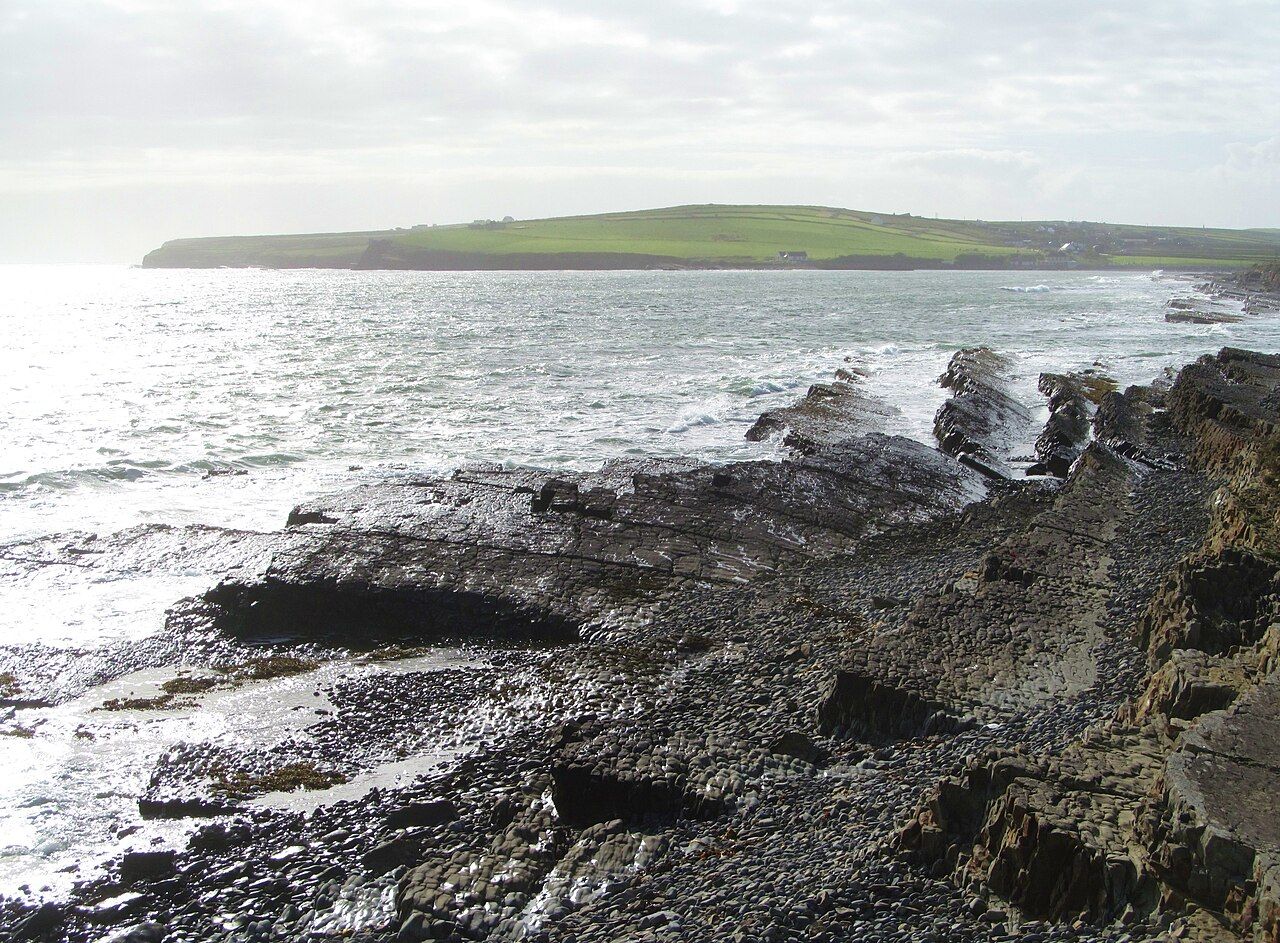
The bay is also a place to look at the rock. Layered beds of sandstone and shale run down into the sea, and at low tide the flat shelves along the shore show the patterns left by ancient water.
Riding to Kilbaha
From Kilkee, follow the R487 west through Cross and take the turn for Kilbaha, about 22 km in all. The ride is rolling and very exposed until you drop towards the bay. Many riders combine Kilbaha with the lighthouse, the Bridges of Ross and the estuary road home, which makes a full day of about 60 km from Kilkee.
- Carry water and food; facilities at this end of the peninsula are few and often seasonal.
- Have a waterproof handy, as showers move in quickly from the west.
- Plan your return so you are not fighting a headwind in the dark.
Long evenings on Kilbaha Bay
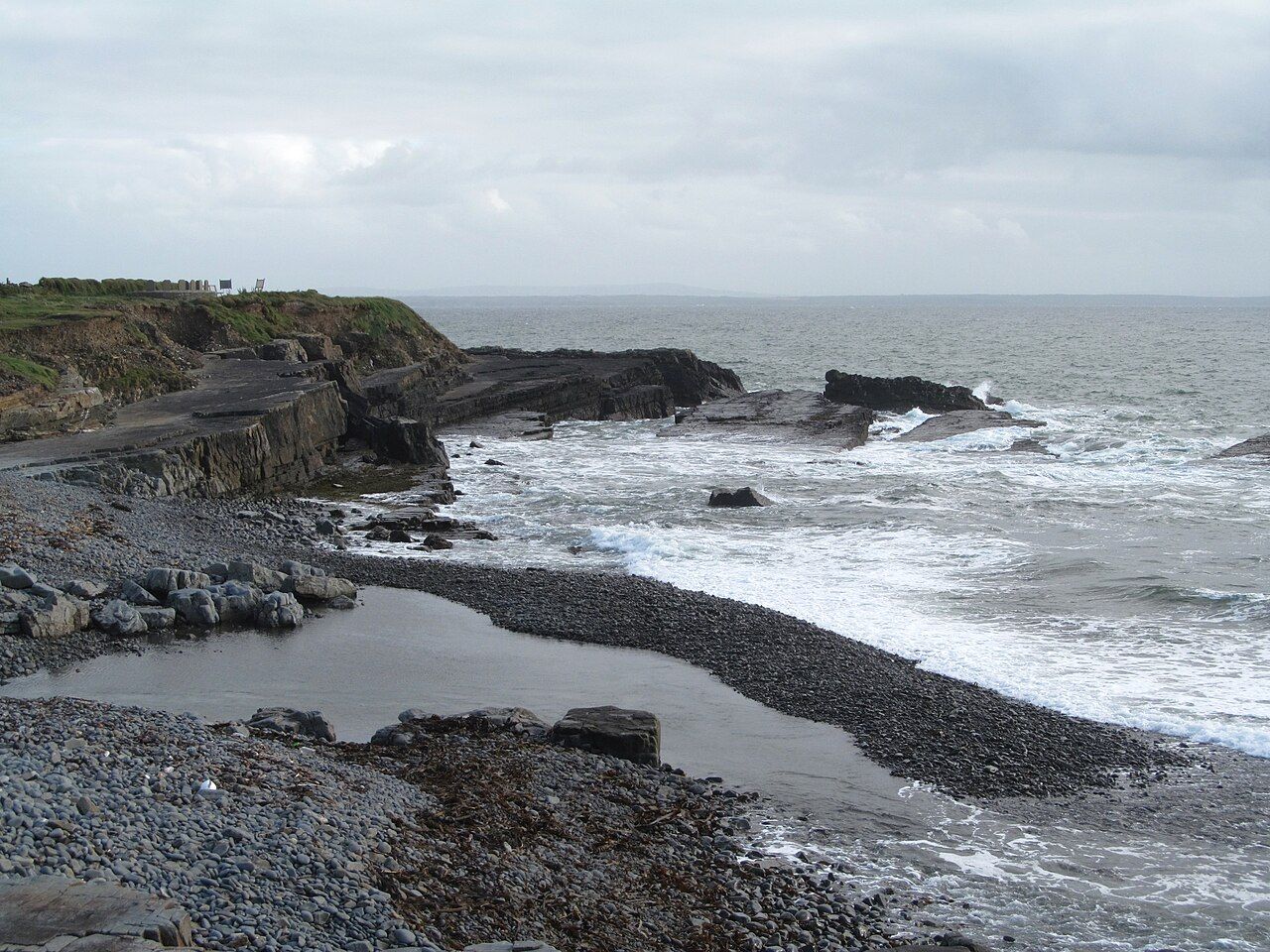
Late spring and summer bring long evenings, wildflowers on the verges and the best chance of calm water in the bay. September is often settled and quieter. In winter the village is very quiet and the weather can turn hard, but a clear winter day on the estuary, with low sun across the water, has a beauty of its own. Whatever the season, give yourself time to sit on the harbour wall and take in where you are: almost at the end of Ireland, on a shore that once served as a church.
Pictures here: Joseph Mischyshyn, cc-by-sa